Driving High-Speed Transformation: Why Project & Portfolio Management Must Reinvent Itself
.png)
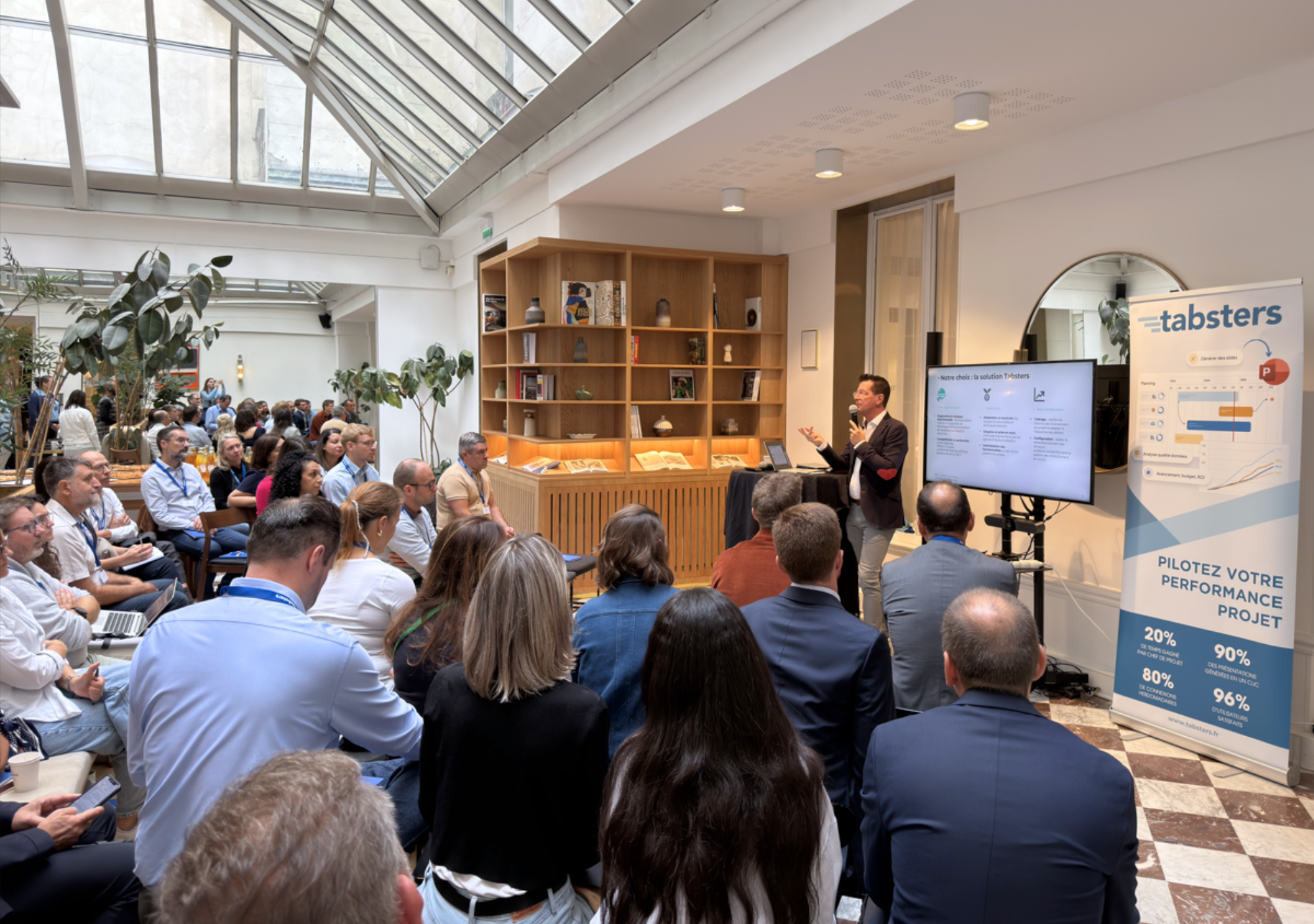
At GITEX Africa 2026, Tabsters was pleased to host a TechTalk with Equatorial Coca-Cola Bottling Company (ECCBC), moderated by PwC, focusing on a question that has become central to large organizations: how can one drive high-speed transformation in complex, multi-site, and multi-country environments without losing consistency, visibility, or execution capability?
Behind this question lies a more profound shift: the evolving role of Project & Portfolio Management. In an environment where transformations are becoming more frequent, priorities are shifting rapidly, and expectations for results are higher than ever, PPM can no longer be limited to consolidating information and generating reports. It is becoming a strategic lever for governance, alignment, and value creation.
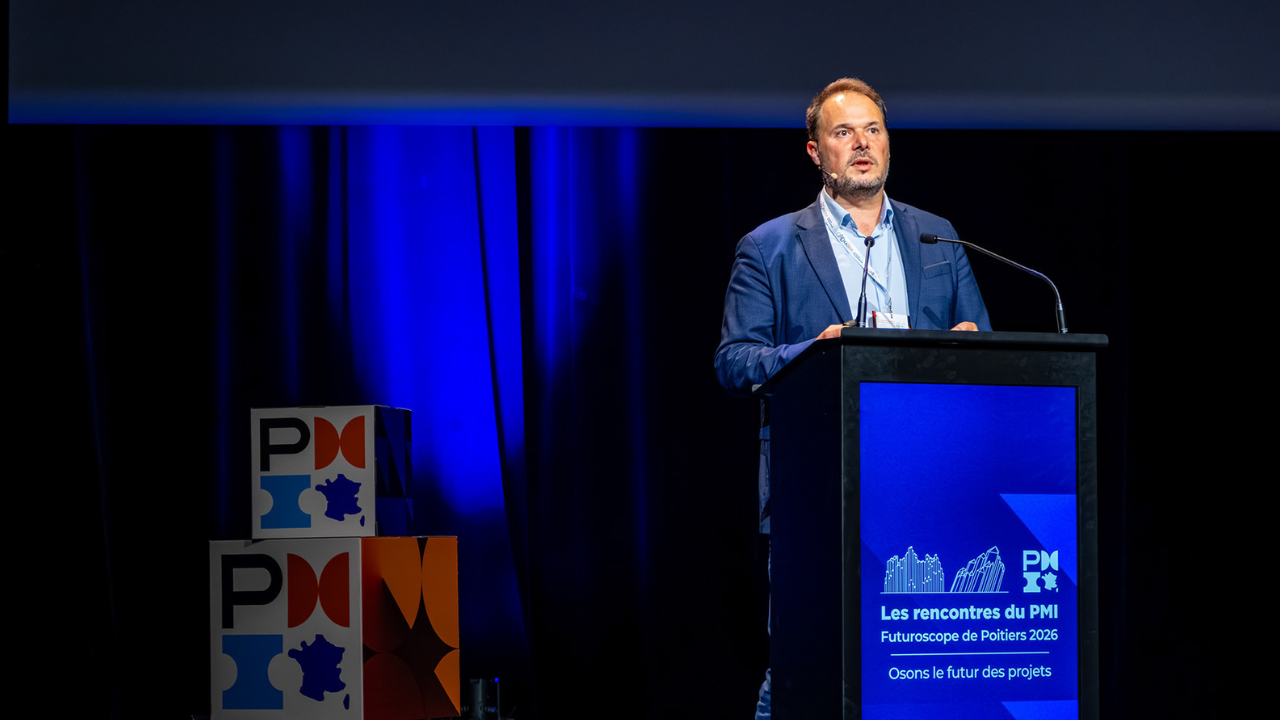
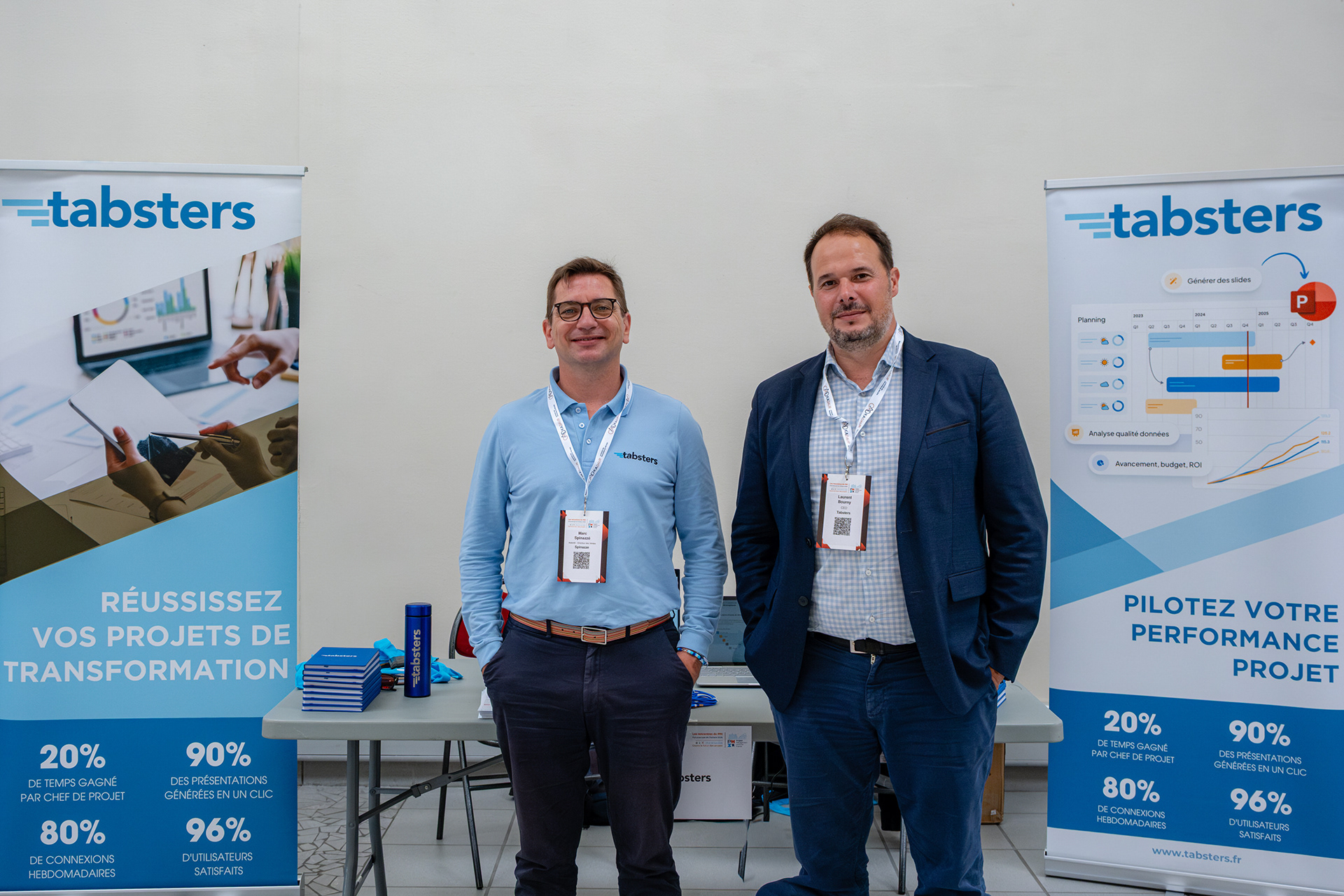
The discussion between Reda Tber, Group TMO Manager at ECCBC, and Marc Spinazzé, Associate Director at Tabsters, shed light on the practical aspects of this development.
When complexity exceeds management capacity
The starting point of the Horizon project at ECCBC is particularly indicative of a situation many organizations face today. With a presence in 13 countries and a workforce of over 5,000 employees, ECCBC was grappling with a proliferation of transformation initiatives without a sufficiently consolidated understanding of the value created, the actual priorities, or the capacity to execute them. In other words, projects were moving forward, but it was becoming increasingly difficult to simply answer questions that were nonetheless essential: where to invest, what to prioritize, what to stop, and how to balance urgency, capacity, and impact.
The real danger was no longer the lack of change, but rather the proliferation of initiatives with no measurable impact.
In this context, the main challenge was not merely to improve execution, but above all to strengthen alignment, structure collaboration, and establish a more robust governance framework.
The TMO: From a Coordinating Role to a Strategic Leadership Role
One of the key takeaways from this conference is the role that TMO plays in today’s transformations.
At ECCBC, as in many large organizations, the TMO is no longer merely a consolidation point or a coordination center. It has become the driving force behind the transformation. Its role now consists of steering a portfolio aligned with the strategy, establishing a common framework for governance, methods, and tools, ensuring controlled resource allocation, making progress visible and measurable, and securing buy-in for change—beyond simply delivering projects.
This shift is fundamentally changing the way transformation is managed. We are moving from project monitoring to value-driven management, based on shared data, a common view of the portfolio, and a genuine ability to make trade-offs. The TMO thus serves as the link between strategy, execution, and adoption.
Why PPM and Change Management Must Be Considered Together
Another key takeaway from the discussion: a transformation only creates value if the deliverables are actually adopted. It was this realization that led ECCBC to structure the Horizon project around two inseparable pillars: Project & Portfolio Management and Change Management.
This choice is critical: executing projects without ensuring their adoption does not yield lasting results. Conversely, driving change without grounding it in structured projects remains theoretical. Considering both aspects together helps prevent the re-emergence of silos between delivery, governance, transformation, and adoption. Above all, it allows us to focus on a single objective: not just the progress of projects, but the value actually created on the ground.
This integration of PPM and Change Management transforms the initiative from a simple delivery framework into a true transformation system.
Standardizing without becoming rigid: the key balance for international organizations
One of ECCBC’s major challenges stems from its presence in 13 countries. How can we establish a common framework at the Group level without falling into a model that is too theoretical and disconnected from local realities?
The approach taken in Horizon is particularly interesting: creating a framework that is structured enough to align the Group, yet flexible enough to accommodate local conditions.
Standards address the "what" and the "why." The "how," however, allows room for local adaptation. This balance is essential. Too much standardization results in measures that go unenforced. Too much autonomy leads to fragmentation. Success therefore depends on the ability to establish a macro-level management standard while allowing flexibility in operational execution.
It is precisely this approach that Tabsters helps facilitate: a common framework, a shared language, and a unified vision, while allowing each local team to tailor its views and usage to its specific needs.
.png)
The ECCBC Case: Making Transformation Visible, Actionable, and Sustainable
The Horizon project is a concrete example of this approach. ECCBC has established a joint transformation framework that includes:
- more than 50 PPM & Change templates organized by level of complexity;
- a centralized hub bringing together methods, standards, deliverables, and best practices;
- strengthened governance;
- and a clear commitment to ensuring that implementation is transparent at the Group level.
This initiative has profoundly changed the teams’ day-to-day work. On the one hand, the teams now have clear guidelines: they know what to use, when to use it, and at what level of complexity. On the other hand, leadership benefits from a consistent view of the portfolio, regardless of the country or the nature of the initiatives.
The result is twofold: less local reinvention, and greater comparability, clarity, and the ability to make informed decisions.
As Reda Tber pointed out, Horizon has enabled the organization to transition from a disjointed execution process to a controlled one, and from fragmented visibility to structured value management.
What Tabsters brings to this type of program
In a program like Horizon, the value of a management tool lies as much in its functional robustness as in its ability to establish a sustainable, reliable, and truly usable framework over time. This is the philosophy behind Tabsters.
The solution enables the structuring and standardization of data, provides a consolidated real-time view, disseminates TMO methodologies, significantly reduces the time spent on data collection, consolidation, and reporting, and offers decision-makers a clear, cross-functional, and continuous overview of the program. The challenge is less about producing more reports and more about enabling the TMO to refocus on its true role: strategically steering the transformation.
Among Tabsters’ clients, the time saved on data collection, consolidation, and reporting has been estimated at over 90%. But beyond this time savings, the main challenge lies elsewhere: ensuring data reliability, securing the transformation process over time, and maintaining control even as complexity increases.
Factors driving widespread adoption
Finally, the conference highlighted a key point: even the best tool creates no value without adoption. Three key factors stand out in particular:
1. Strong and visible support from top management
The tool should be treated as an essential standard, not just one option among many.
2. Integration into existing practices
To be adopted on a long-term basis, a management tool must integrate into existing workflows and gradually establish itself as the single source of truth, replacing personal or parallel tools.
3. Immediate value for users
To ensure user adoption, every user must benefit from the start: a clear overview, a personalized dashboard, an automated task, or a simple and useful interface.
Adoption is not a secondary step: it is the very foundation of the tooling’s success. And TMO is the driving force behind it over the long term.
Reinventing PPM to Drive Real Transformation
This feedback highlights a strong conviction: the success of a transformation project never depends on a single factor. It depends on clear organization, structured management, robust governance, a genuine focus on adoption, and tools designed to support the team rather than constrain it.
The PPM of the future cannot be limited to a consolidation-focused approach. It must be capable of making transformation visible, actionable, and sustainable. It is precisely under these conditions that organizations will be able to accelerate without losing focus, transform without compromising their resilience, and steer the process without losing the connection between strategy, execution, and adoption.
.png)