Managing in May: How to Stay on Track Despite Absences and Long Weekends

May often puts organizations to the test. Between public holidays, vacations, long weekends, and fragmented schedules, workflows become disjointed, approvals slow down, and meetings get postponed. In this context, projects, programs, and portfolios continue to move forward, but with an increased risk of losing visibility.
This period often serves as a litmus test. When management still relies on scattered files, manual follow-ups, or data that is difficult to consolidate, weaknesses quickly become apparent. Conversely, organizations that have a common framework, up-to-date data, and a shared vision navigate these more turbulent weeks with much greater ease.
A period that undermines coordination
The challenges in May stem not only from absences, but primarily from a lack of continuity in coordination. When key stakeholders are not present at the same time, decision-making takes longer, certain roadblocks are reported late, and interdependencies between tasks become less apparent.
In this context, several issues frequently arise simultaneously: certain approvals are delayed, risks are identified later than intended, reporting loses its timeliness and reliability, and the workload may end up being unevenly distributed among the teams involved. The most detrimental consequence is often a loss of clarity. As it becomes harder to know what is moving forward, what is stalled, and what needs to be resolved, the ability to steer the process deteriorates.
Tips for Staying in Control
During times like these, it is helpful to adjust your management approach without trying to replicate your usual routine exactly. The key is to ensure that the essentials are covered, focusing your attention on the truly critical issues and on the factors that determine the continuity of the project, program, or portfolio.
This involves clarifying priorities that cannot be postponed, identifying approvals that could cause delays, making critical milestones and dependencies more visible, and ensuring that information is shared, reliable, and up to date. A shared framework is also essential to prevent everyone from making decisions based on their own interpretation of the situation. In practice, the simpler and more shared the understanding of the project management process is, the better teams are able to stay coordinated despite reduced availability.
What must remain visible at all times
During these more fragmented weeks, certain information must remain readily available to project teams, the PMO, managers, and program leadership. It is essential to maintain a clear overview of upcoming deadlines, ongoing tasks, pending decisions, outstanding risks, any deviations from the original plan, and the individuals assigned to critical issues.
This shared visibility plays a central role in collective responsiveness. When it is maintained, decision-making can continue to take place under favorable conditions, and teams retain their ability to act quickly. Conversely, as soon as information becomes scattered or incomplete, misalignments arise more easily and management tensions increase.
How Tabsters Ensures Operational Continuity
It is precisely during times like these that the Tabsters solution truly proves its worth. When schedules become fragmented and coordination grows more difficult, it helps maintain a shared, clear, and reliable management framework without relying on a multitude of files, scattered reports, or manual follow-ups. By centralizing projects, programs, portfolios, risks, actions, decisions, roadmaps, and reports in a single environment, Tabsters helps teams maintain a structured overview of the situation, even when not all contributors are present at the same time.
The solution also allows information to be tailored to different user profiles. A project manager, PMO, portfolio manager, or member of senior management does not need the same level of detail or the same metrics. With its customizable views, configurable dashboards, and granular access rights management, Tabsters provides everyone with a clear overview of what matters to them: critical milestones, ongoing actions, open risks, pending decisions, or variances to monitor. This ability to deliver the right information, at the right level, and at the right time, becomes particularly valuable when the team’s workflow is less linear.
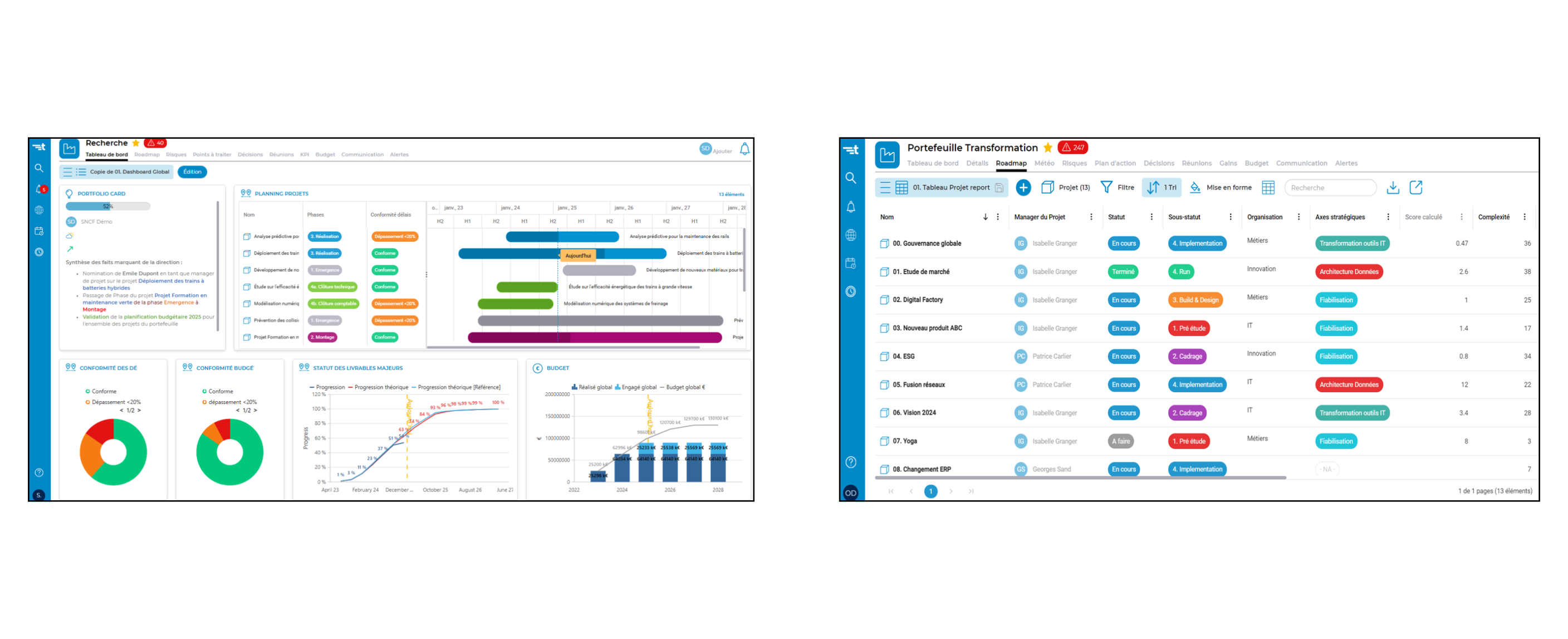
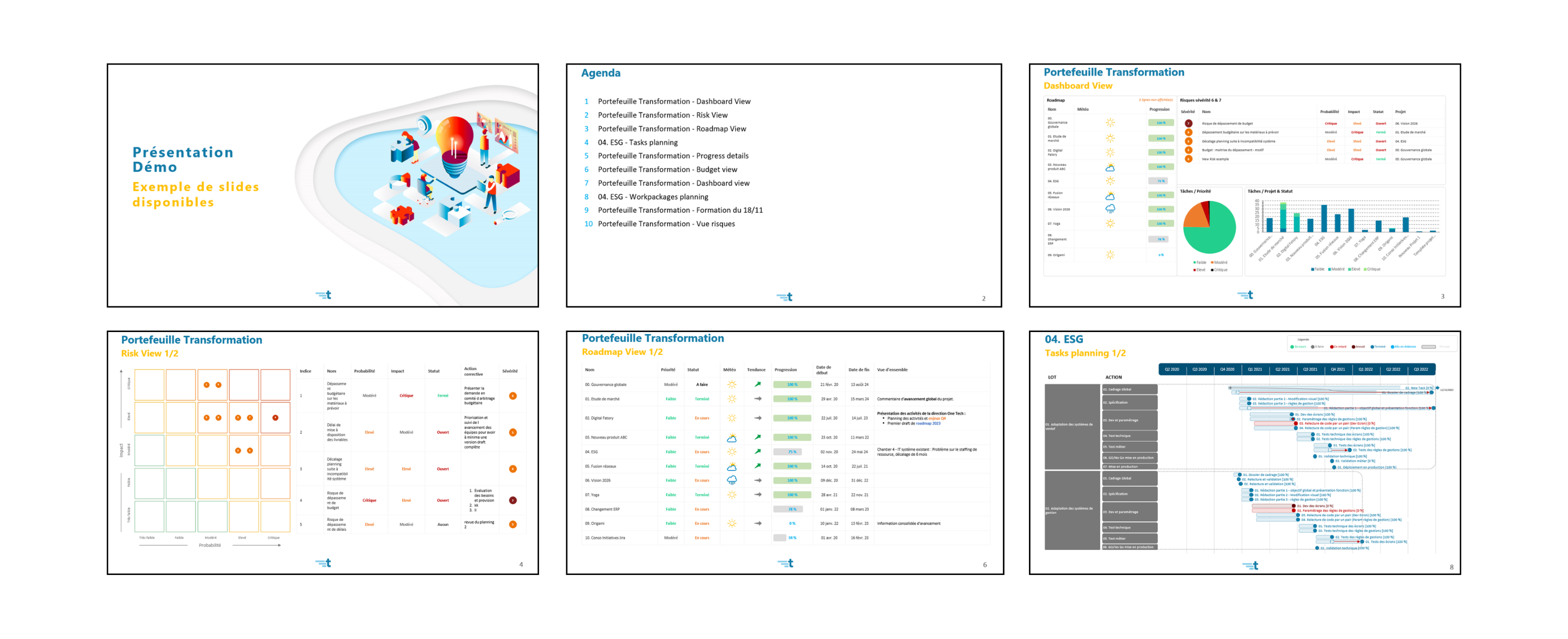
Beyond providing visibility, Tabsters also helps reduce the burden of coordination and reporting. The solution facilitates decentralized data collection, automates part of the consolidation process, and—depending on the use case—generates actionable management reports, including editable PowerPoint presentations.
It also integrates seamlessly into existing environments through data import—for example, via Excel or MS Project—which helps ensure smooth project management without adding unnecessary complexity for teams.
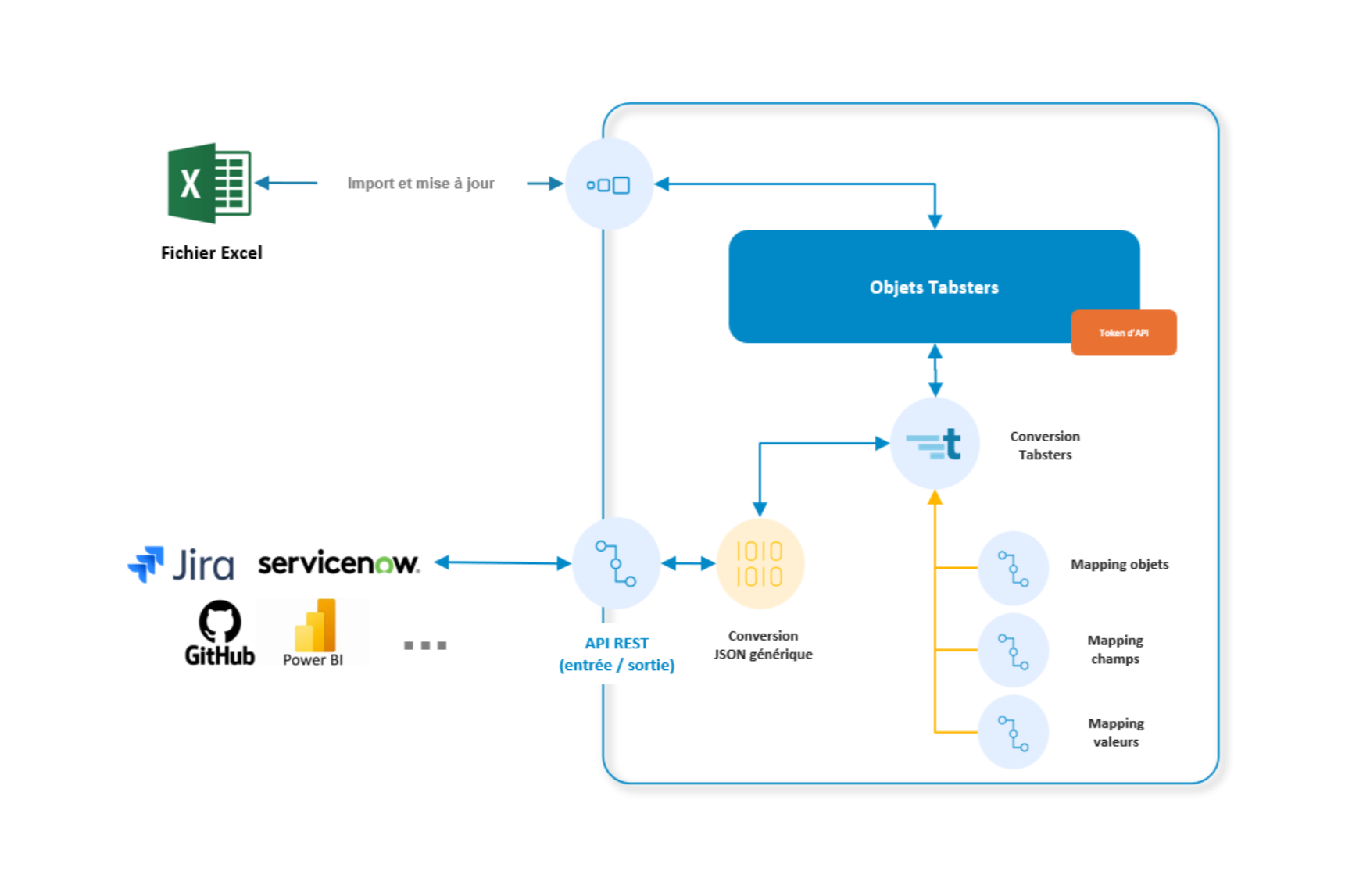
In addition to its features, Tabsters is designed toprovide long-term support, including functional and technical assistance, a knowledge base, and the ability to continuously adapt to organizations’ needs. During more fragmented periods, such as the month of May, this combination of structuring, automation, customization, and support helps ensure operational continuity and maintain teams’ ability to take action.
More resilient management during periods of disruption
May doesn’t create management challenges; it simply makes them more apparent. It serves as a reminder that effective management depends not only on the number of meetings held, but above all on the quality of the available information, the clarity of priorities, and the ability to quickly share the right benchmarks.
In these more unpredictable times, organizations would be well advised to rely on tools that can organize data, highlight risks, and ensure continuity in management. This is where Tabsters really comes into its own: it provides a clearer, more reliable, and more responsive framework, even when the organization is operating in a degraded mode.